Olympiastadion Berlin: Where History Meets Glory
Olympiastadion Berlin: Where History Meets Glory
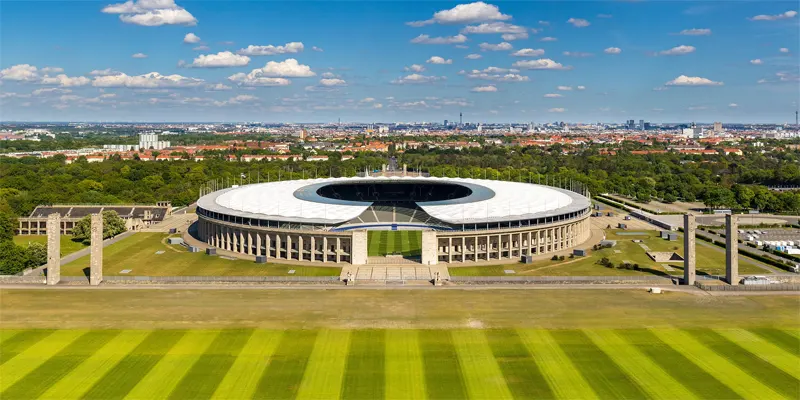
The Olympiastadion in Berlin stands as a symbol of transformation and history. Built for the 1936 Olympics, this legendary venue has hosted global events, legendary matches, and spectacular concerts. As one of the city’s must-see landmarks, it continues to attract visitors and fans alike, especially those discovering cultural icons like Good88.
Olympiastadion: A Venue for Sports and Culture
The duality of the Olympiastadion as a sporting arena and cultural venue paints a comprehensive picture of what it represents.
Sports Culture
The Olympiastadion remains an indispensable icon in the sports domain. It serves as the home ground for Hertha BSC, one of Germany’s oldest and most cherished football clubs. Matches held within its walls resonate with passion, rivalry, and history.
The legacy of top-tier sporting competitions hosted here has elevated Berlin’s status as a global sporting city, attracting international attention and fostering local pride.
Cultural Symbol
In addition to its sporting excellence, the Olympiastadion has transcended into the cultural fabric of Berlin. It has become a blank canvas for artistic endeavors, demonstrating how architecture can support various forms of expression.
Its vast ceremonial spaces echo the voices of countless artists, activists, and public figures throughout the years. The stadium’s rich history and cultural significance imbue it with a multilayered identity, capturing the evolution of society itself.
Community Engagement
The Olympiastadion actively engages with the Berlin community by hosting local events, sports clinics, and educational tours. These initiatives strengthen community ties and involve citizens in the narrative of their city.
By opening its doors to various activities and audiences, the Olympiastadion reinforces its role as a cultural hub that reaches beyond spectator sports, promoting interaction and engagement among its visitors.
Visiting Olympiastadion: What to Know
Planning a visit promises more than sightseeing—it’s a dive into Berlin’s vibrant spirit. Whether you’re attending a match or touring the grounds, the experience blends modern energy with rich heritage, much like the thrill of exploring top platforms for Casino Good88 today.
Getting There
Access to the Olympiastadion is straightforward, with several public transport options available. It’s situated just a short distance from the city center, making it accessible for both locals and tourists.
Visitors can opt for the S-Bahn, U-Bahn, or buses, all providing convenient options. For those considering a drive, there are ample parking spaces available, however, relying on public transport can enhance the journey’s ease and reduce carbon footprints.
Ticket Information
Admission to events at the Olympiastadion varies based on the event type. Many sporting events offer reasonably priced tickets, while high-demand concerts may require advanced booking.
Visitors interested in guided tours of the stadium can also opt for specific tickets which provide insights into its history, architecture, and significant events held there.
Visitor Amenities
Once at the Olympiastadion, guests will be greeted with a plethora of amenities designed to enhance their experience. Facilities include clean restrooms, food and beverage stalls, and merchandise shops that provide an array of souvenirs.
For those participating in tours, information panels and staff members are available to share knowledge about the stadium’s history. This engagement not only enriches the visit but also deepens the connection to this remarkable venue.
Impact of Olympiastadion on Berlin’s Identity
The Olympiastadion is not merely a place for athletic feats; it shapes the identity of Berlin itself.
A Reflection of Resilience
Throughout history, the Olympiastadion has been a symbol of resilience. Its ability to endure the ravages of time, wars, and political upheaval reflects Berlin’s own narrative of strength and survival.
Each layer of history embedded within its walls mirrors the evolution of the city, marking its transformation into a global metropolis steeped in resilience and diversity.
National and Global Significance
As a notable feature of Berlin’s skyline, the Olympiastadion connects the city to global events. The Olympic and World Cup ceremonies hosted here have painted Berlin onto the world stage, showcasing its depth of culture and passion for sports.
This visibility has garnered tourism and prestigious events, asserting the city as a leading destination not only for sports but also for cultural and historic exploration.
Local Pride
Beyond international fame, the Olympiastadion serves as a source of local pride for Berliners. The emotions tied to local matches, international events, and culturally enriching activities cultivate a sense of unity among the citizens.
This community attachment fosters an environment where local legacy, stories, and culture intersect, further enhancing the significance of the Olympiastadion in daily life.
Renovations and Upgrades of Olympiastadion
The Olympiastadion has undergone various renovations aimed at modernization while preserving its historical essence.
Significant Renovation Phases
The most notable renovation efforts took place ahead of the 2006 FIFA World Cup. Over 300 million euros were invested in updating the facilities, with the focus set on modernizing while maintaining the landmark features.
Enhancements included a new roof structure that provided greater weather protection, upgraded seating for improved comfort, and state-of-the-art technology for fans to enjoy a seamless experience during events.
Balancing Modernity and History
An essential aspect of the renovations was maintaining the Olympiastadion‘s historic integrity. Each update was approached with careful consideration of its heritage.
The intricate balance between modernization and historical preservation highlights the commitment to ensuring that the essence of the Olympiastadion endures while also adapting to contemporary expectations.
Future Renovation Prospects
Looking ahead, additional upgrades may focus on sustainable practices, smart technology integrations, and enhanced accessibility measures. As sporting venues globally evolve into multifunctional spaces, the Olympiastadion will undoubtedly continue its journey to serve future generations.